Understanding Corrosion in Aging Industrial Structures
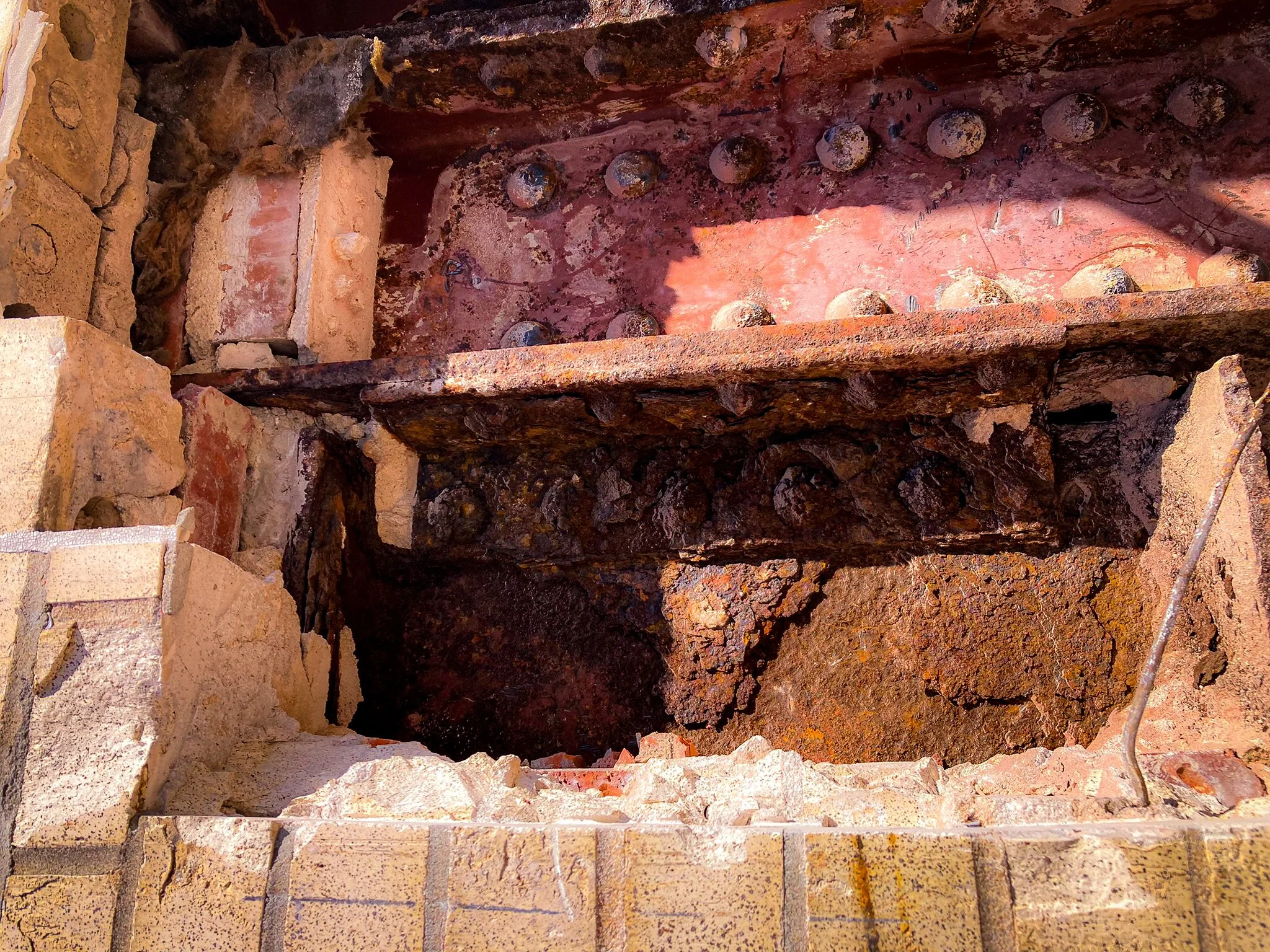
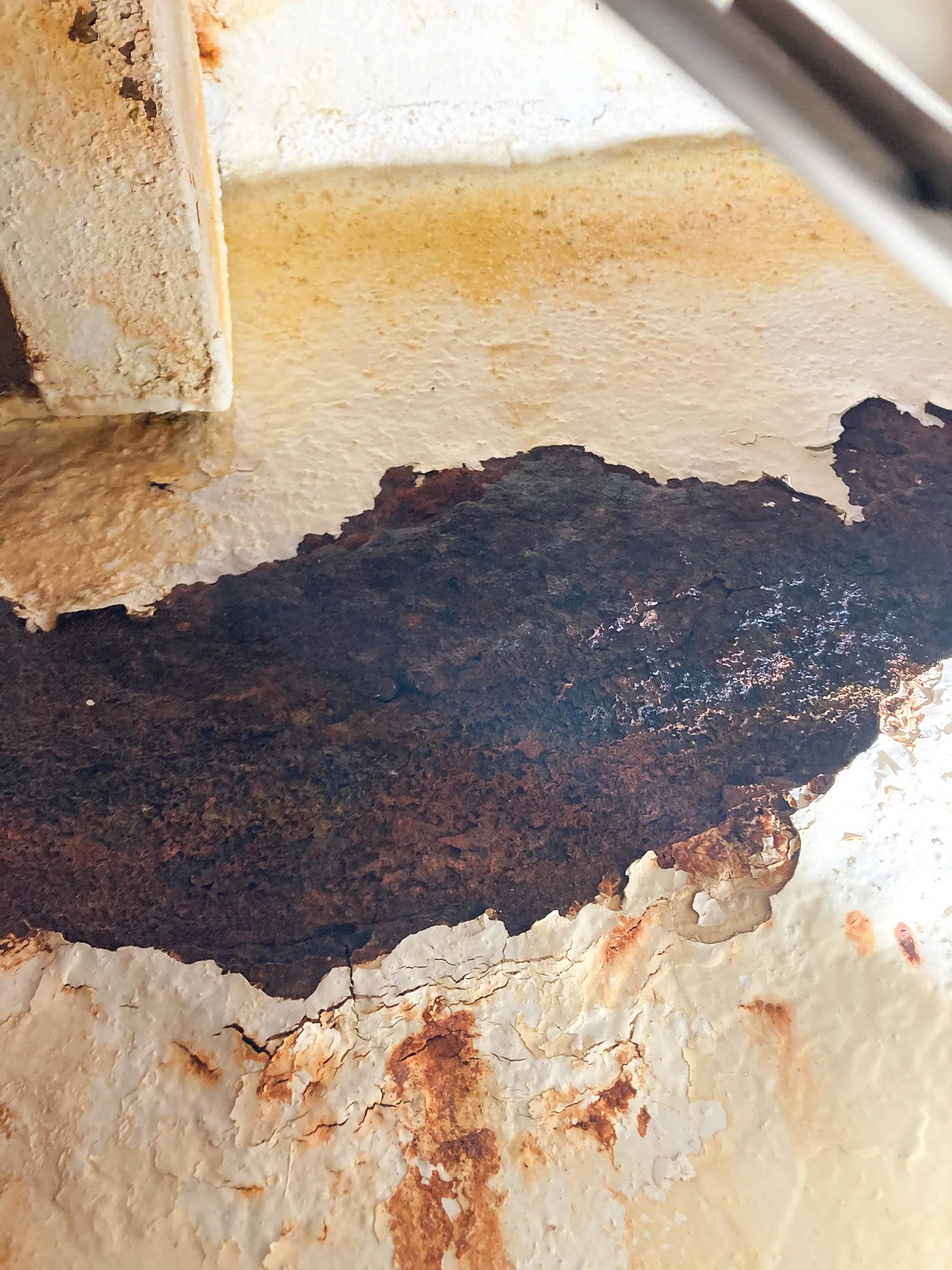
Across the industrial landscape, particularly in food and dairy processing facilities, ESC is seeing a steady increase in requests to evaluate structures affected by corrosion. Many of these facilities were originally constructed in the post-WWII era, long before today’s sanitation standards and production demands existed.
Modern cleaning practices have greatly improved plant hygiene, but they also introduce harsher conditions for carbon steel framing and legacy building materials. The result: older structures are facing deterioration at a rate that wasn’t anticipated when they were built.
Below are the most common factors we see contributing to corrosion in industrial buildings, along with recommendations for what facility owners and maintenance teams can do to get ahead of the problem.
Primary Causes of Corrosion
1. Building Age
A large percentage of the structures we evaluate are 70–80+ years old. Materials used in that era often had lower strength properties, and protective coatings were not as robust or consistently applied as they are today. Time alone becomes a significant contributing factor to deterioration.
2. Outdated Design Practices
Obsolete building techniques can accelerate structural degradation.
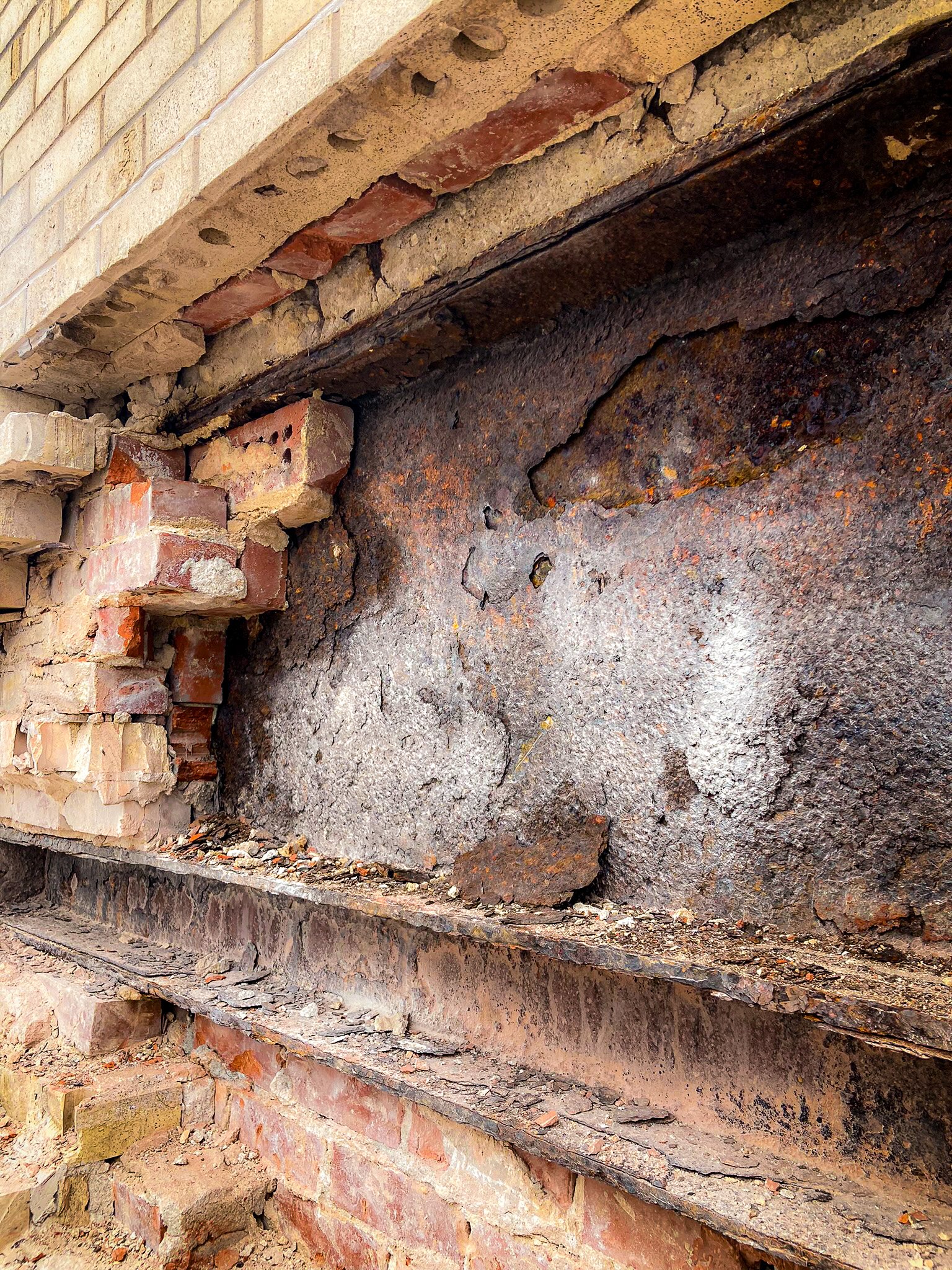
A common example: steel framing encased tightly in masonry. Mortar behaves like a sponge, holding moisture against the steel for long periods. This consistent exposure causes corrosion even when the surrounding environment seems dry.
3. Cleaning Chemicals
Modern sanitation relies heavily on caustics, acids, and no-rinse sanitizers.
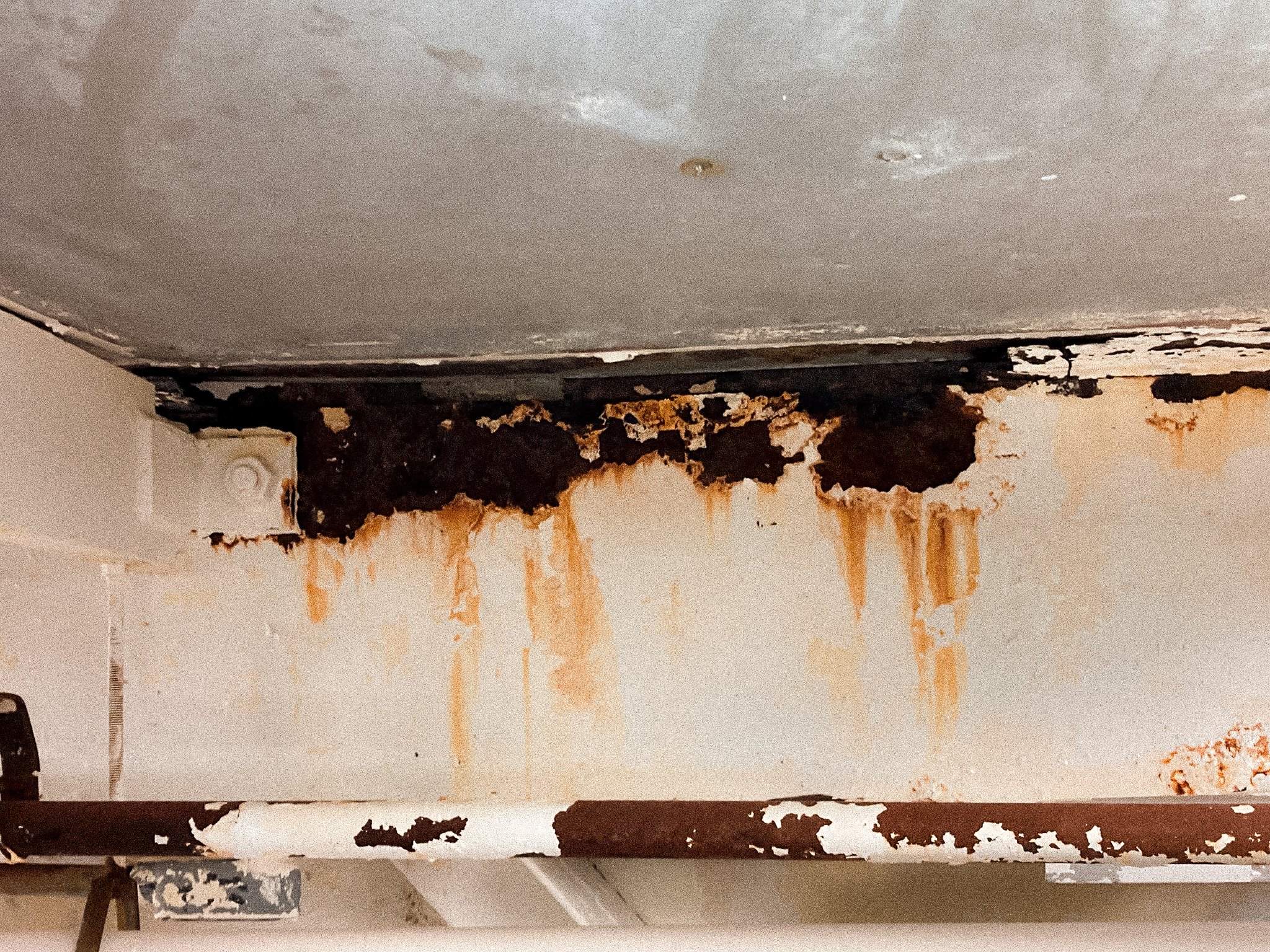
While excellent for food safety, these chemicals are hard on uncoated carbon steel. Many older facilities still rely on carbon steel framing in wash-down areas, and without protective coatings, the steel deteriorates quickly.
4. Process Liquids
In food processing—especially cheese, dairy, and meat applications—saltwater brine is often used in equipment and cooling systems. Leaks or spills introduce highly corrosive conditions. Even coated carbon steel will eventually succumb to prolonged brine exposure.
5. Insufficient Preventative Maintenance
Corrosion accelerates when coatings and sealants are not applied or refreshed consistently. The absence of a routine maintenance program is one of the leading reasons corrosion issues progress unnoticed until they become structural concerns.
6. Galvanic Interaction
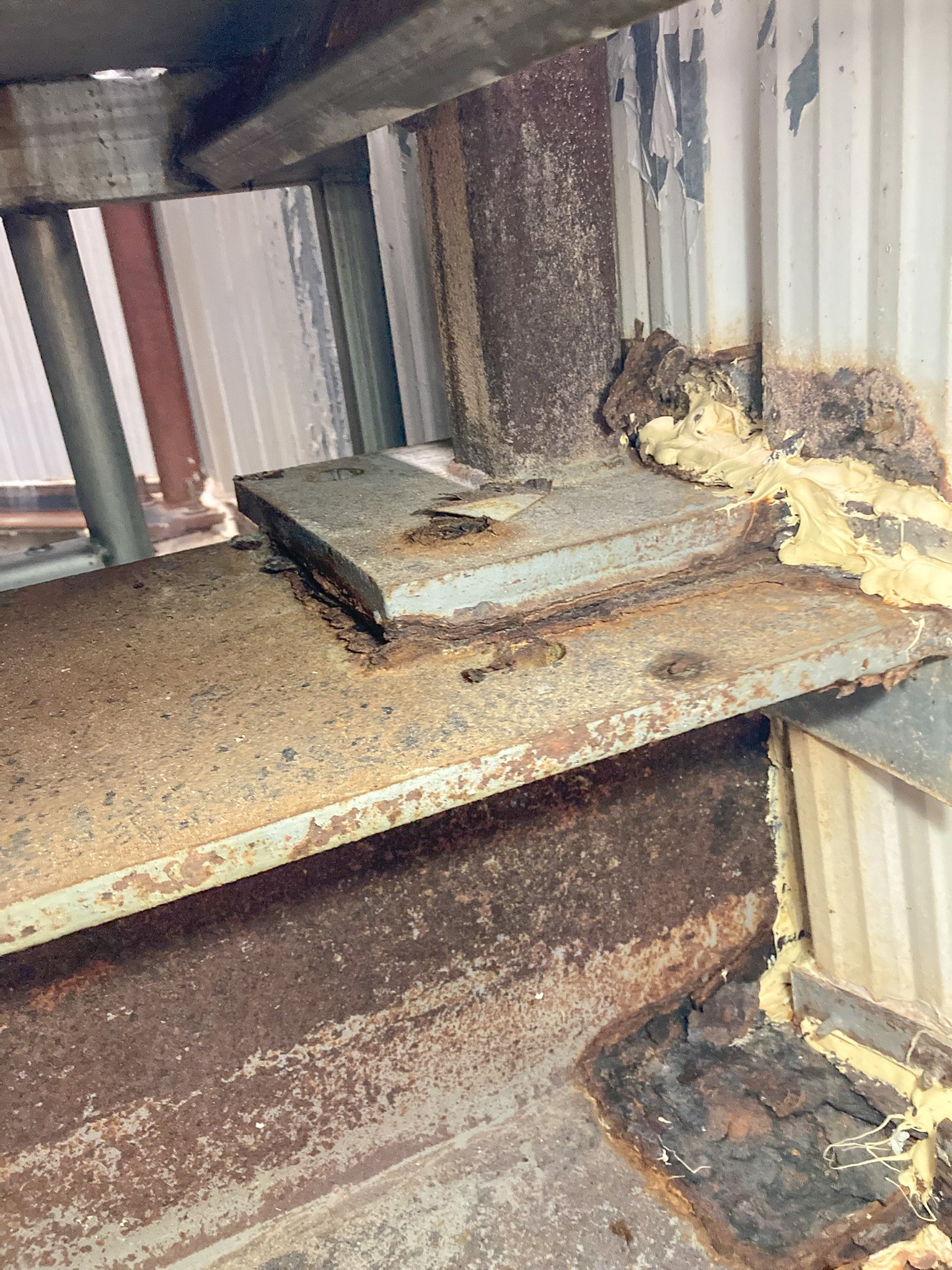
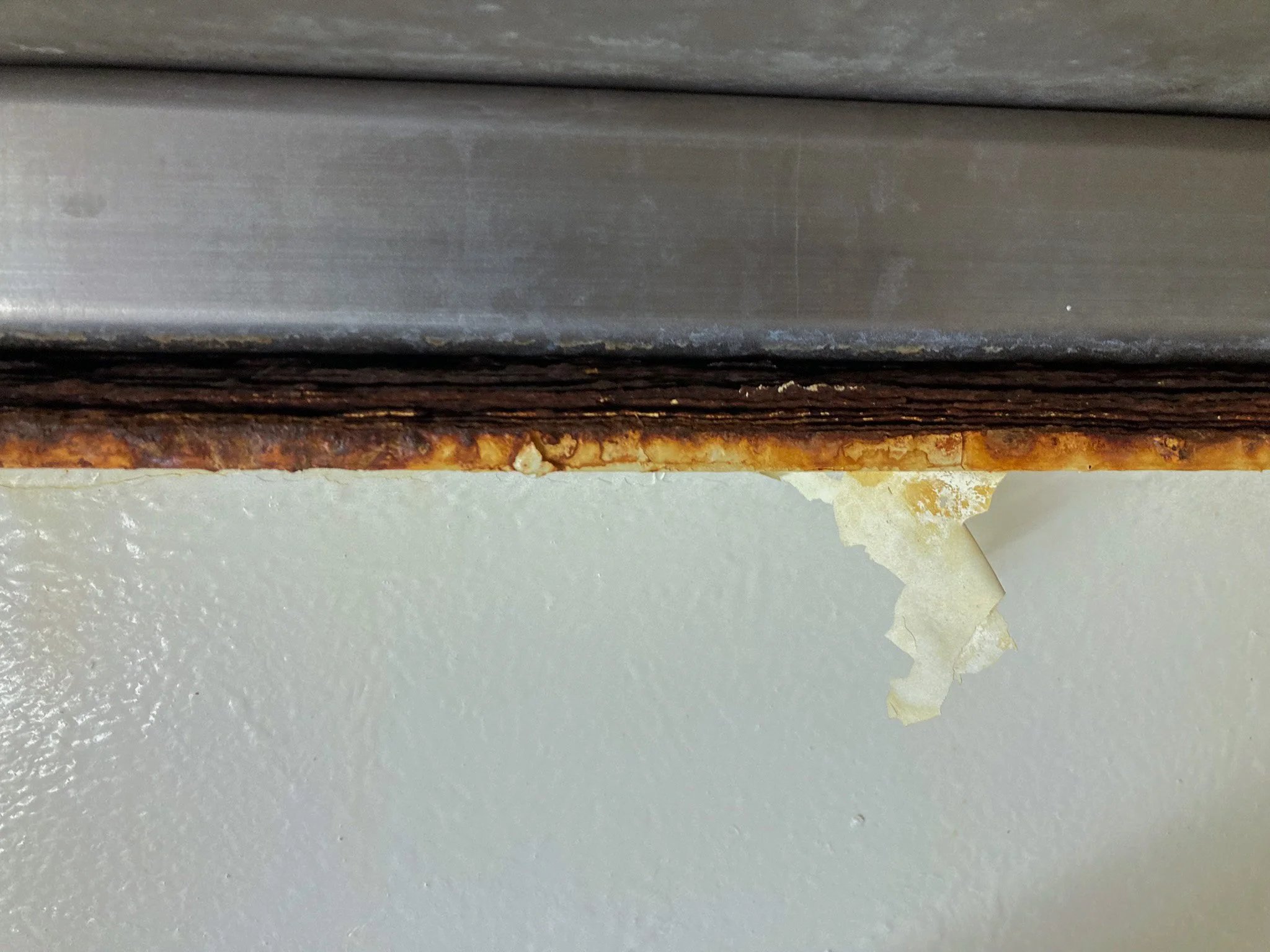
As facilities modernize, stainless steel components are added to older carbon steel structures. When these metals are in direct contact, galvanic reactions occur—causing the carbon steel to corrode more rapidly.
7. High-Temperature Corrosion
Less common in food processing but relevant in certain industrial sectors, elevated temperatures can cause unexpected metal loss. At high temperatures, gases can act like liquids and erode metals over time. Some alloys are far more vulnerable to this effect than others.
Recommended Solutions
Protect Exposed Steel
Routine inspection and timely application of protective coatings are essential for carbon steel exposed to harsh chemical or wash-down environments. Sealing or coating areas where steel interfaces with masonry helps prevent moisture migration and hidden deterioration.
Decouple Dissimilar Metals
To reduce galvanic corrosion, use coatings, sleeves, gaskets, or other isolators when connecting stainless steel to carbon steel.
If metal separation isn’t possible, ongoing monitoring is crucial.
Use Appropriate Alloys for High-Temperature Applications
Selecting alloys with higher resistance to oxidation, carburization, and other high-temperature effects can significantly extend structural life in elevated-temperature environments.
Engage a Structural Engineer When Damage Appears
If corrosion is visible or the structural integrity is in question, professional evaluation is essential. In many cases, steel members can be reinforced or stiffened. In others, full member replacement may be the most reliable long-term solution.
A Proactive Approach Extends Structural Life
Steel structures are capable of lasting many decades—but only when protected from the environmental agents that accelerate deterioration. Proactive maintenance and early detection are always more cost-effective than large-scale repairs.
ESC is always ready to help assess the condition of your building’s steel structure and recommend solutions tailored to your facility’s needs.